Heater Application Guides
One application guide for every heater in the catalog, grouped by construction. Each guide states the duty the construction is for, the equipment and industries that specify it, what has to appear on the drawing — supply voltage, outline, total power and watt density, duty temperature, attachment, leads and termination, sensor and over-temperature protection — how it is bonded down, and the duties where a different construction is the correct answer.
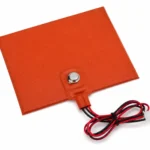
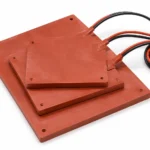
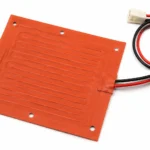
Silicone Rubber Heaters
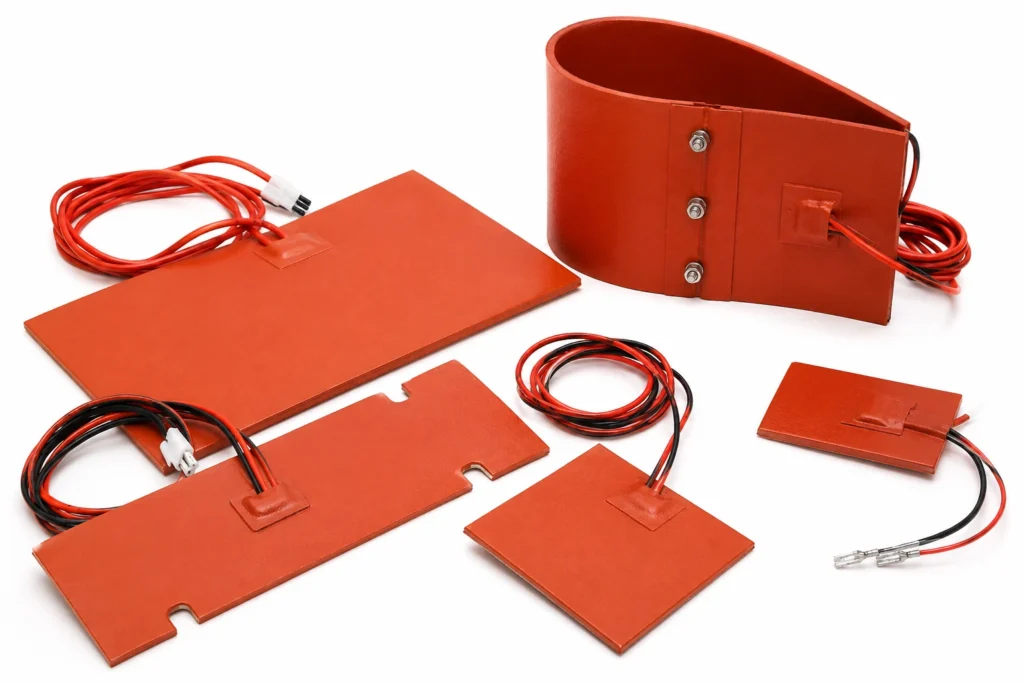
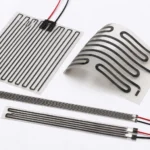
Flexible heat on a surface that is not flat and not small: battery modules, pipes, drums, platens and tanks, up to 200 °C continuous. The guides cover wire-wound against etched foil, watt density in free air against bonded down, attachment by vulcanising, PSA or straps, and the sensor and cutoff the construction does not provide for itself.
10 application guides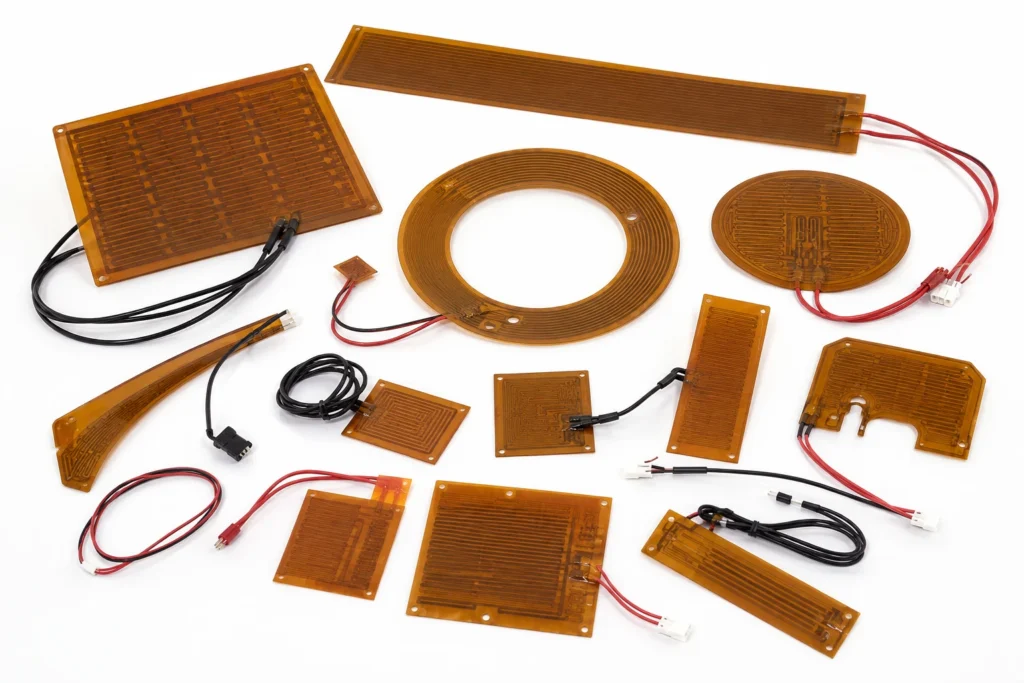
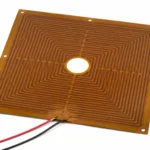
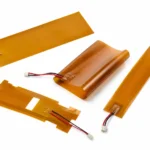
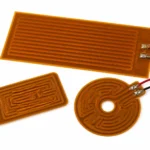
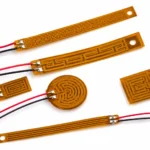
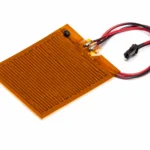
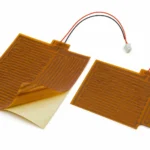
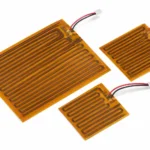
Polyimide (PI) Film Heaters
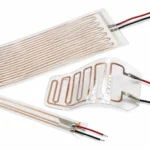
A 0.2 mm heater where there is no room for one: optics, sensors, medical instruments, semiconductor stages and 3D printer beds, to 200 °C. The guides cover why the film has to be bonded over its whole area, the thermal mass it does not add, adhesive selection, and the integrated RTD or NTC option.
7 application guides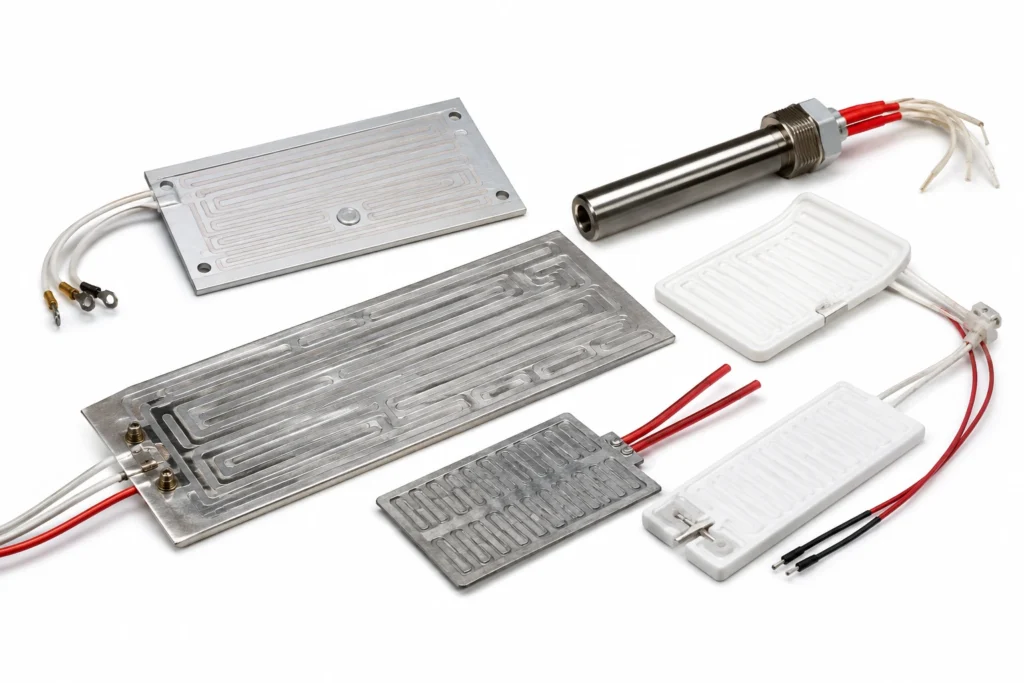
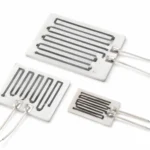
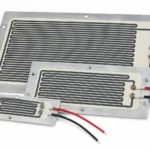
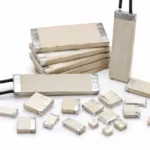
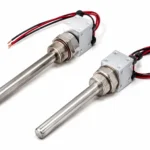
Thick Film Heaters
Fired element on stainless or alumina, for the duties that destroy a polymer: instant water heating, medical fluid warming, hot plates and dies, well past 400 °C. The guides cover substrate choice, flow rate and dry-run protection, and the rigid outline the process fixes.
6 application guides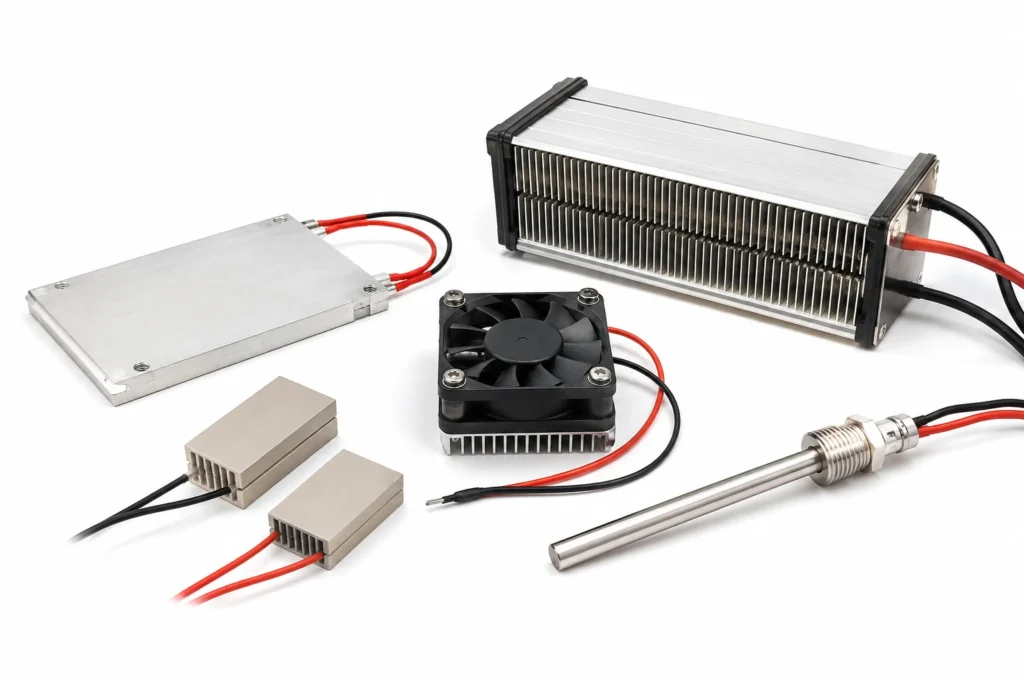
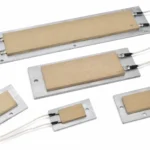
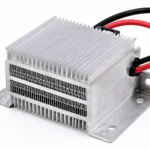
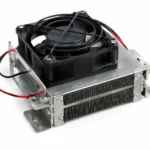
PTC Heaters
Heat that limits its own temperature because the element does, not because a controller does: cabin and battery air heating, enclosure anti-condensation, and any duty where a failed thermostat must not become a fire. The guides cover Curie point selection, the airflow the rating assumes, and why self-regulating is not the same as accurately controlled.
6 application guides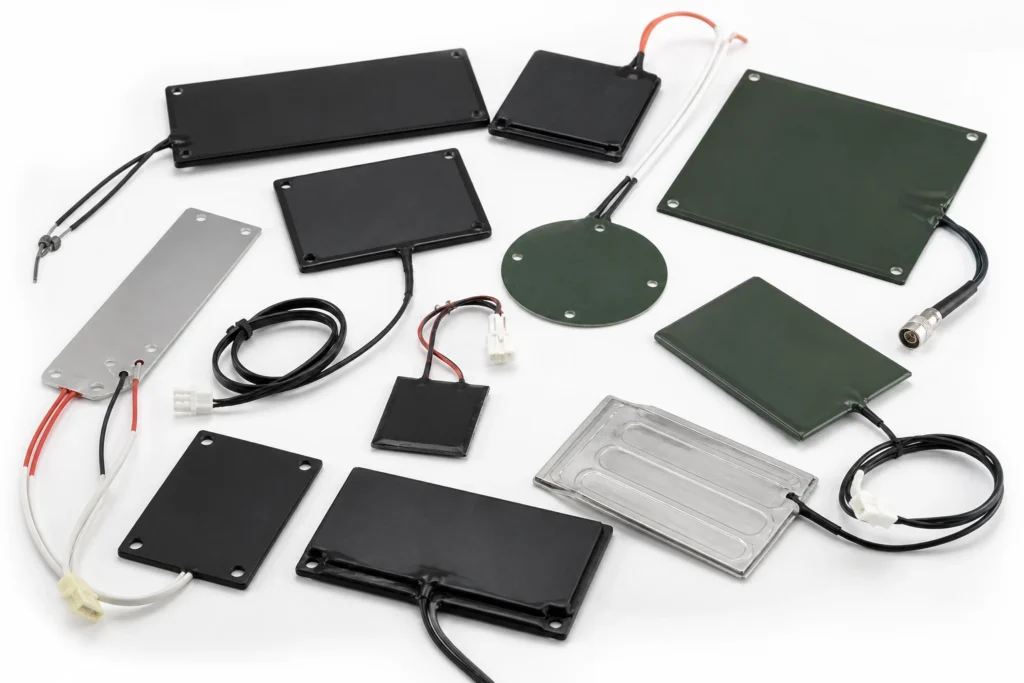
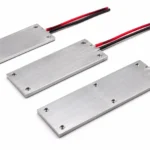
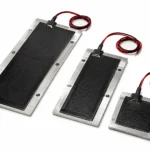
Epoxy Heating Plates
An element potted into a rigid plate that survives moisture, vibration and immersion: battery modules, tanks and outdoor equipment to 150 °C. The guides cover encapsulation, mounting and sealing, and the temperature ceiling the resin sets.
4 application guides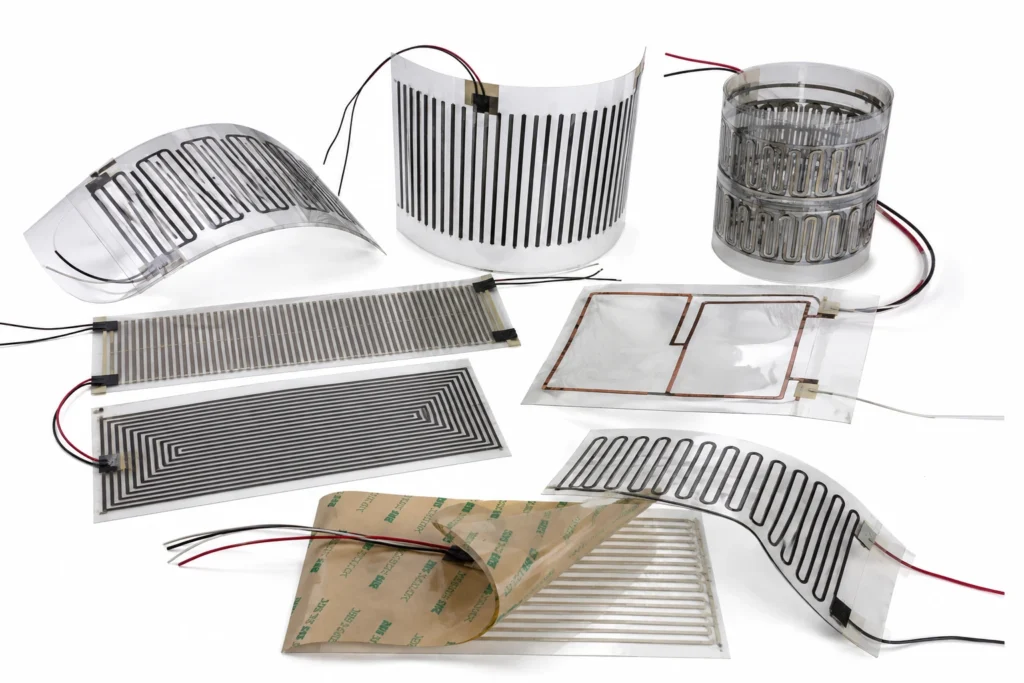
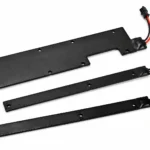
PET Film Heaters
Printed carbon or silver on polyester, for large low-temperature area heating at the lowest cost per square metre: seats, mirrors, displays, panels and floor warming, to 120 °C. The guides cover printed against etched conductors, low-voltage supply, and the limit the polyester sets.
5 application guides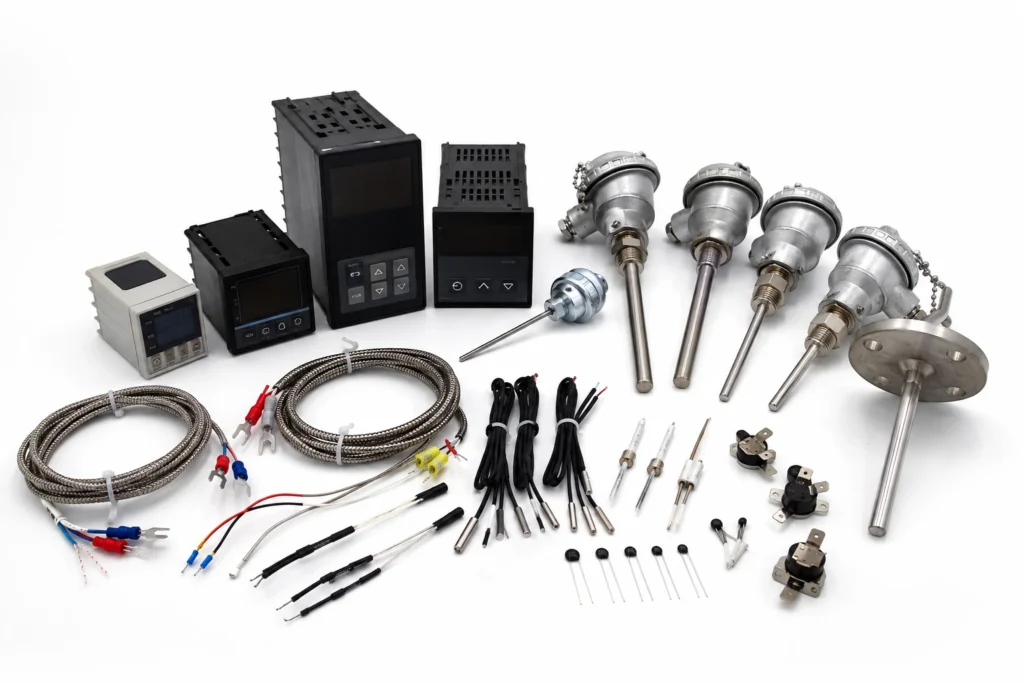
Temperature Sensing & Control
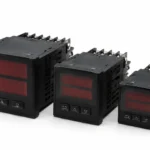
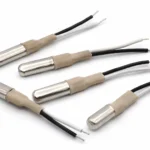
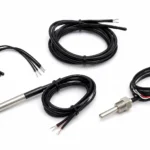
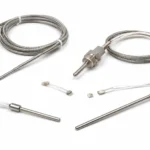
The parts that decide when the heater is on and the independent channel that turns it off anyway: bimetal thermostats, thermal cutoffs, NTC and RTD sensors, thermocouples and PID controllers. The guides cover sensor placement, class and tolerance, and how the over-temperature path is kept separate from the control path.
6 application guidesSilicone Rubber Heaters
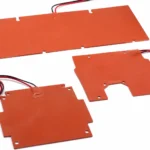
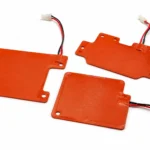
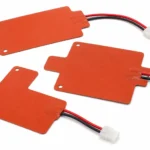
Flexible heat on a surface that is not flat and not small: battery modules, pipes, drums, platens and tanks, up to 200 °C continuous. The guides cover wire-wound against etched foil, watt density in free air against bonded down, attachment by vulcanising, PSA or straps, and the sensor and cutoff the construction does not provide for itself.
- Battery Formation Silicone Heaters
- Battery Pack Silicone Heaters
- Battery Silicone Heaters with Molex Connector
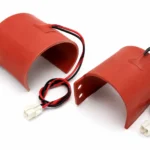
- C-Profile Pipe Silicone Heaters
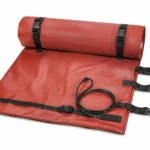
- Drum and IBC Silicone Heating Blankets
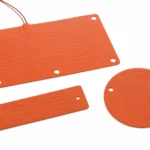
- Etched Foil Silicone Rubber Heaters
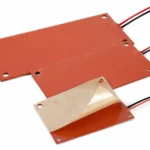
- Silicone Heaters with 3M Adhesive Backing
- Silicone Heaters with Integrated Thermostat
- Silicone Platen and Mould Heaters
- Wire-Wound Silicone Rubber Heaters
Polyimide (PI) Film Heaters
A 0.2 mm heater where there is no room for one: optics, sensors, medical instruments, semiconductor stages and 3D printer beds, to 200 °C. The guides cover why the film has to be bonded over its whole area, the thermal mass it does not add, adhesive selection, and the integrated RTD or NTC option.
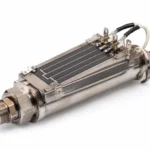
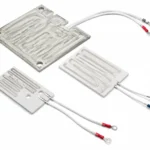
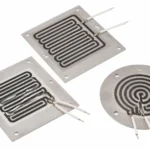
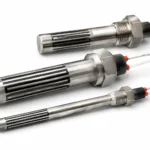
Thick Film Heaters
Fired element on stainless or alumina, for the duties that destroy a polymer: instant water heating, medical fluid warming, hot plates and dies, well past 400 °C. The guides cover substrate choice, flow rate and dry-run protection, and the rigid outline the process fixes.
PTC Heaters
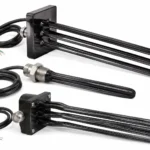
Heat that limits its own temperature because the element does, not because a controller does: cabin and battery air heating, enclosure anti-condensation, and any duty where a failed thermostat must not become a fire. The guides cover Curie point selection, the airflow the rating assumes, and why self-regulating is not the same as accurately controlled.
Epoxy Heating Plates
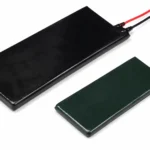
An element potted into a rigid plate that survives moisture, vibration and immersion: battery modules, tanks and outdoor equipment to 150 °C. The guides cover encapsulation, mounting and sealing, and the temperature ceiling the resin sets.
PET Film Heaters
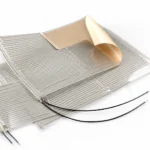
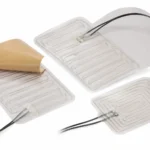
Printed carbon or silver on polyester, for large low-temperature area heating at the lowest cost per square metre: seats, mirrors, displays, panels and floor warming, to 120 °C. The guides cover printed against etched conductors, low-voltage supply, and the limit the polyester sets.
Temperature Sensing & Control
The parts that decide when the heater is on and the independent channel that turns it off anyway: bimetal thermostats, thermal cutoffs, NTC and RTD sensors, thermocouples and PID controllers. The guides cover sensor placement, class and tolerance, and how the over-temperature path is kept separate from the control path.